The Village Subway Beneath Raleigh: A Tunnel Time Forgot
3 MIN READ
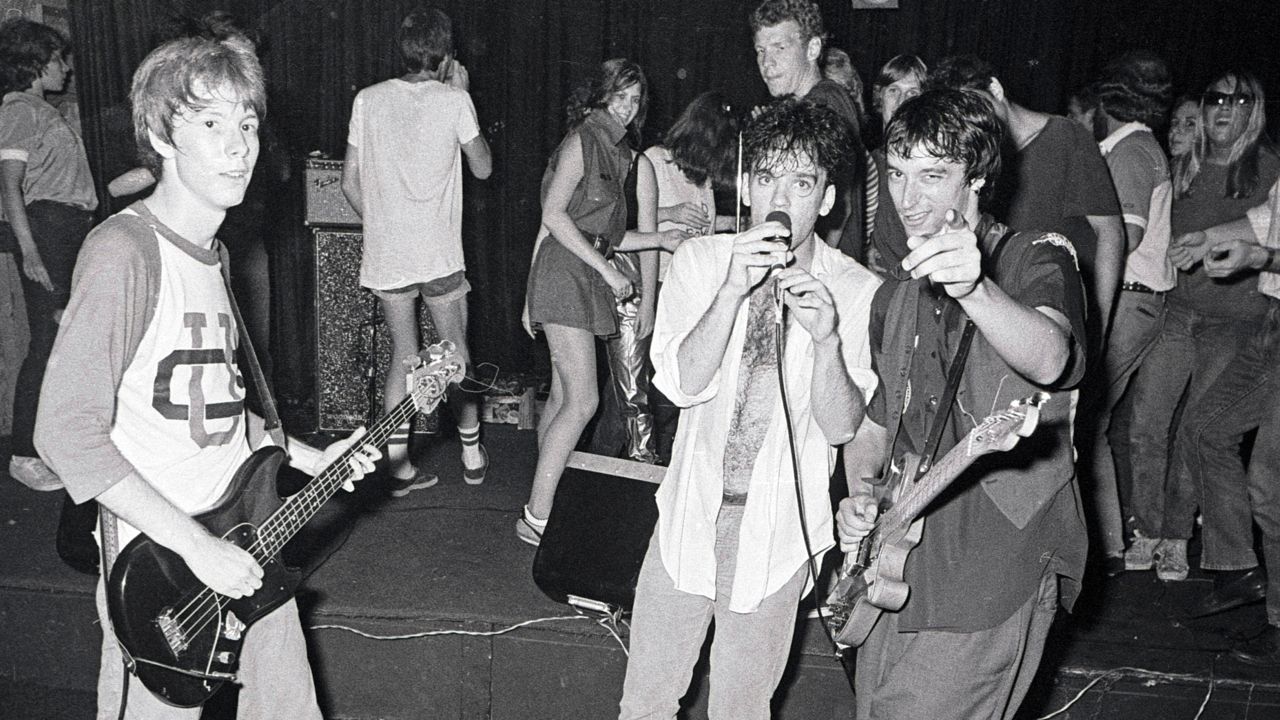
Photo credits Creative Commons license the original photographer.
3 MIN READ
Beneath the sidewalks of Raleigh, there’s a corridor where sound travels differently—where footsteps stretch into echoes and the air feels just a little too still.
This is the Village Subway, a nearly forgotten experiment in urban planning that once promised to transform how the city moved, shopped, and lived.
In the 1970s, Raleigh—like many American cities—was searching for answers. Downtown areas were struggling as suburban malls pulled shoppers away. City planners needed something bold, something new.
Their solution? Go underground.
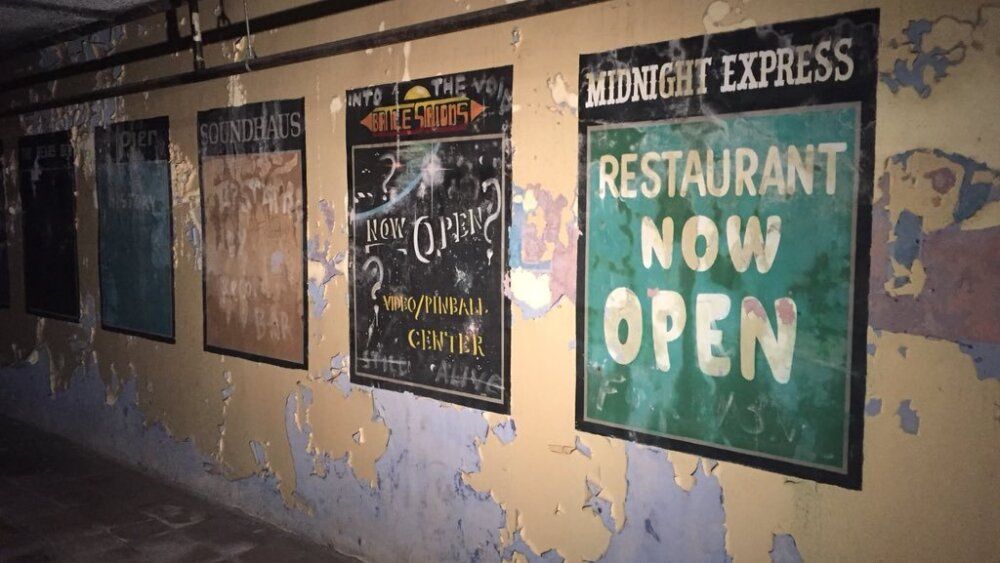
The Village Subway wasn’t meant to be eerie or forgotten. It was designed as a lively, subterranean shopping and walking space—cool in the summer, dry in the rain, and full of energy.
Connected to what is now known as the Village District, the tunnel aimed to create a seamless flow between above-ground retail and a hidden world below.
For a short time, it worked.
For a brief, electric stretch of its life, the Village Subway pulsed with a scrappy, underground music scene that felt far bigger than the space itself. Local bands squeezed into tight corners, their sound bouncing off concrete walls and drawing small but devoted crowds who came as much for the atmosphere as the music. In those early days, even rising acts like R.E.M. (see above) are said to have passed through, playing intimate sets before they became college radio legends. It wasn’t polished or glamorous—but that was the point. The dim lighting, low ceilings, and echoing acoustics gave every performance a raw, almost secretive energy, as if you’d stumbled into something you weren’t quite supposed to find.
It felt futuristic—like Raleigh was stepping into a new era.
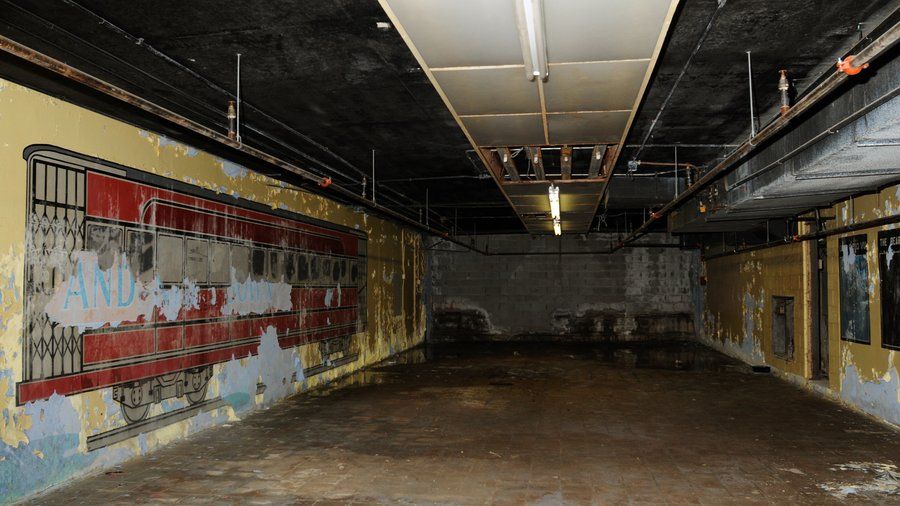
Photo credits Creative Commons license the original photographer.
But the momentum didn’t last.
As the 1980s rolled in, the same forces that challenged downtowns across America caught up with the Village Subway. Suburban growth accelerated. Shopping habits changed. Foot traffic dwindled.
And underground, that decline felt even more dramatic.
Without steady crowds, businesses couldn’t survive. One by one, shops closed. Lights dimmed. The once-busy corridor grew quieter.
Eventually, the grand experiment faded into obscurity.
Today, parts of the Village Subway still exist—but they feel less like a destination and more like a relic.
Some sections have been repurposed for practical uses like offices or storage. Others remain largely untouched, holding onto traces of their past life.
There’s something uncanny about it.
Not quite abandoned. Not quite alive.
Just… lingering.
For those who know where to look, it offers a rare glimpse into a version of Raleigh that almost was—a city that tried to reinvent itself by building a second world beneath the first.
The Village Subway never became the bustling underground hub its creators imagined. But its story still matters.
It reflects a moment in American history when cities were willing to experiment—sometimes boldly, sometimes strangely—in an effort to survive and adapt.
And while the tunnel itself may no longer serve its original purpose, it remains part of Raleigh’s hidden identity.
A reminder that not every vision succeeds.
But even the ones that fail leave something behind.
Most people walk above it without ever knowing it’s there.
No signs. No crowds. No reason to look down.
But beneath the surface of Raleigh, the Village Subway still waits—quiet, dim, and full of echoes from a time when the future seemed just a staircase away.

Explore America's quirkiest corners and untold stories, delivered to your inbox every day.
Odd America is your gateway to the weird, wild, and wonderful corners of the U.S. From quirky landmarks to strange history, each article uncovers a hidden gem or eccentric tale.
Not interested?
Click here to return to the sitePlease check email for a message from Odd America to confirm your email.
Don't forget to check your junk folder - just in case!